What Homeowners Can Expect During a Hot Water System Installation: Replacing or fitting a new unit sounds daunting until you understand how orderly the process actually is. For most people, the unknown is the worst part — not knowing how long it takes, how disruptive it’ll be, or what the professionals are actually doing out there. Booking a hot water system installation Adelaide households rely on is generally a smooth, well-rehearsed affair, and knowing the sequence in advance takes the anxiety out of it entirely. Here’s what genuinely happens from the first knock at the door to the moment warm water flows again.
The Groundwork Before Anyone Arrives
What Homeowners Can Expect During a Hot Water System Installation: A good installation begins well before the van pulls up. Once you’ve chosen a unit, the installer usually confirms the details and checks that the selected model suits your home’s layout and requirements.
This preparation avoids nasty surprises. Sorting out the right size, fuel type, and positioning ahead of time means the actual fitting day runs without the delays that catch unprepared jobs off guard.
Assessing the Site on the Day
What Homeowners Can Expect During a Hot Water System Installation: When the technician arrives, the first task is a look at the existing setup. They’ll inspect where the old unit sits, how it’s connected, and whether the space suits the replacement.
Spotting Complications Early
This survey flags anything that might need adjusting — awkward access, outdated connections, or spots that don’t meet current safety rules. Catching these issues at the start keeps the rest of the job predictable rather than throwing up mid-task hurdles.
Saying Goodbye to the Old Unit
With the assessment done, attention turns to removal. The existing system is switched off, drained, and disconnected before being carefully taken out of position.
Draining a full tank takes a little time, so this stage isn’t instant. A tidy technician will manage the water sensibly and clear the old unit without leaving a mess behind.
Preparing the Space for the New Arrival
Before the replacement goes in, the area often needs a little attention. Connections may require updating, brackets refitting, or the base leveling to hold the new unit securely.
This groundwork ensures a proper, lasting fit. Rushing it would risk leaks or instability down the line, so a careful installer treats this preparation as time well spent.
Fitting and Connecting the System
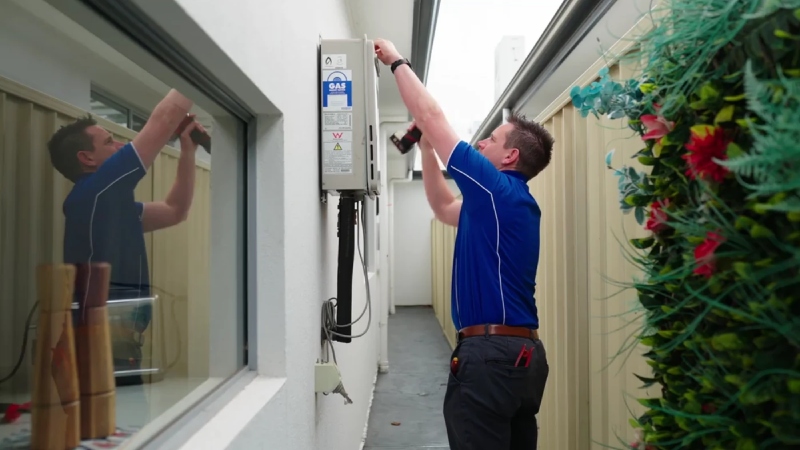
Now comes the central task: positioning the new unit and linking it to water, and to gas or electricity depending on the type. This is the stage that demands genuine expertise.
Where Precision Really Counts
Every connection must be secure and compliant, with fittings sealed correctly and safety controls set properly. A qualified professional works methodically here, because shortcuts at this point are exactly what cause problems later.
Dr Homey Interior shares creative home décor ideas, interior design inspiration, and useful tips for modern homeowners. The website helps readers discover fresh ways to make their homes more attractive, comfortable, and inviting.
Testing Before Anything Is Declared Done
No responsible installer walks away without checking their work. Once everything is connected, the system is filled, powered up, and put through its paces.
They’ll watch for leaks, confirm the water heats correctly, and verify that temperature and safety settings behave as they should. This testing phase is your assurance that everything works before the technician leaves.
The Handover and Helpful Advice
A thorough job ends with a proper explanation. The installer should walk you through operating the new unit, adjusting its settings, and getting the best from it.
This is also the moment to ask questions — about maintenance, warranty, or what to watch for. A good handover leaves you confident rather than guessing at how your new appliance works.
How Long the Whole Thing Takes
Most straightforward replacements are completed within a few hours, though complications or a change of system type can extend that. Your installer should give a realistic estimate upfront.
A Smoother Process Than You Might Fear
Seen as a whole, an installation is a logical sequence handled by people who do it constantly. From preparation through to handover, each step exists to leave you with a safe, reliable supply and minimal disruption. Understanding that flow turns what feels like an ordeal into a manageable, even reassuring, day. Click here.