Why Skip Bin Hire Has Become the Easiest Part of a Major Home Overhaul: A major home overhaul can involve countless decisions, from choosing materials and coordinating tradespeople to managing budgets and timelines. One thing that can make the process significantly easier is skip bin hire Melbourne, giving homeowners a convenient way to deal with the large volume of waste that renovation and clean-up projects can produce.
Home Renovations Generate More Waste Than Expected
When people plan a renovation, they often focus on the exciting parts of the project: a new kitchen, refreshed bathroom, updated flooring, or a redesigned outdoor area. Waste disposal may not receive the same attention.
However, once demolition and removal begin, rubbish can accumulate surprisingly quickly. Old cabinetry, tiles, timber, plasterboard, flooring, packaging, fittings, and unwanted furniture can soon take over available space.
Without a dedicated waste solution, the property can become difficult to navigate and the project may feel more chaotic than necessary.
Why a Skip Bin Makes Renovation Cleanup Easier
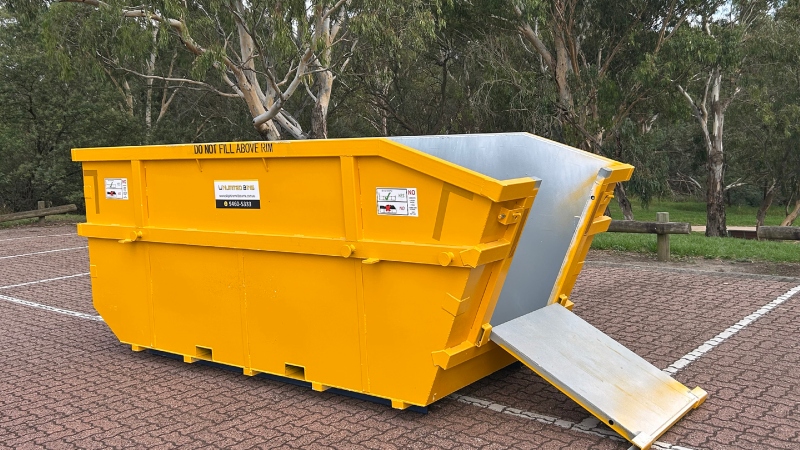
A skip bin provides one central location for suitable waste throughout the project. Instead of creating piles around the property or repeatedly loading rubbish into a vehicle, homeowners and tradespeople can dispose of materials as they work.
This simple change can make a significant difference to how organised the renovation feels.
Less Time Spent on Disposal Trips
Why Skip Bin Hire Has Become the Easiest Part of a Major Home Overhaul: One of the biggest advantages is the time saved.
Taking renovation waste to a disposal facility yourself involves loading a vehicle, securing the rubbish, travelling to the appropriate facility, unloading everything, and returning home. For a major renovation, this process may need to be repeated several times.
Having a skip bin at the property eliminates much of that unnecessary back-and-forth.
Keeping the Worksite Organised
Renovation areas can become cluttered very quickly. Broken materials, cardboard, old fixtures, and construction debris can make walkways difficult to use and create unnecessary obstacles.
A strategically positioned skip bin gives everyone a designated place for suitable waste.
As materials are removed, they can be placed directly into the container rather than being left around the property. This helps maintain a cleaner and more manageable workspace.
A Better Environment for Tradespeople
A well-organised work area can also make it easier for contractors to move materials, access tools, and complete their tasks.
While a skip bin cannot eliminate every source of renovation mess, it can prevent waste from spreading unnecessarily across the site.
Selecting the Right Bin Size
Choosing an appropriate bin size is an important part of making waste management straightforward.
A container that is too small could fill before the project is complete, potentially requiring another delivery. On the other hand, choosing a much larger bin than necessary may mean paying for capacity you do not use.
Before booking, consider the scale of the renovation and the types of materials being removed.
Think About Volume and Weight
Not all waste takes up space in the same way.
Bulky furniture and packaging can fill a container quickly, while materials such as concrete, bricks, soil, and tiles can become heavy even when they do not occupy a huge amount of space.
Discuss your waste with the provider so you can understand any applicable size or weight restrictions.
More Than Just Renovation Debris
Skip bins can be useful for many types of home improvement projects.
A major garden makeover, garage clean-out, house move, downsizing project, or property preparation can all generate more rubbish than regular household collection services can accommodate.
Old furniture, garden materials, unwanted possessions, and general household clutter can often be managed more efficiently when there is a dedicated container available.
Making a Large Decluttering Project Simpler
Homeowners sometimes begin a renovation only to discover that the project is also an opportunity to remove years of accumulated clutter.
Garages, sheds, storage rooms, spare bedrooms, and outdoor areas can contain items that are no longer useful.
Having a skip bin available allows suitable unwanted materials to be removed as part of the broader project instead of creating another separate clean-up exercise later.
A Practical Approach to Decluttering
Start by working through one area at a time. Separate items that will be kept, donated, recycled, or disposed of.
Once you have identified the materials that need to go, having the skip bin nearby can make the disposal stage much faster.
Planning Where the Bin Will Go
The location of the skip bin should be considered before delivery.
The container needs to be positioned somewhere accessible to the delivery vehicle while remaining practical for people working on the property.
Driveway width, gates, trees, overhead structures, slopes, and other obstacles can influence the ideal location.
Prepare the Delivery Area
Before the bin arrives, remove vehicles and unnecessary objects from the selected area. Make sure the access route is clear and that the delivery team can safely reach the intended position.
Planning this beforehand can help avoid delays and make the installation process smoother.
Know What Materials Are Accepted
Not every type of waste belongs in every skip bin.
Before ordering, ask the provider which materials are permitted and whether certain items require specialist disposal.
Hazardous substances, chemicals, asbestos-containing materials, certain liquids, and other regulated waste may have specific requirements.
Ask Questions Before the Bin Arrives
A few simple questions can prevent problems:
- What types of waste are accepted?
- Are there weight limits?
- How long is the standard hire period?
- Can the hire period be extended?
- Where can the bin be placed?
- Are delivery and collection included?
- Are there additional disposal charges?
Understanding these details in advance makes budgeting and planning much easier.
Managing Waste Throughout the Project
The most efficient approach is to use the skip bin throughout the renovation rather than treating it as a final clean-up solution.
As old materials are removed, place suitable waste into the container. This prevents unnecessary accumulation around the property and keeps the work area more manageable.
However, avoid overfilling the bin or placing materials inside it that the provider has prohibited.
Why Convenience Matters During a Major Overhaul
A large renovation can already involve enough stress. There are schedules to manage, unexpected costs to consider, materials to order, and contractors to coordinate.
Waste management should not become another major source of disruption.
A properly chosen skip bin creates a simple system: waste is generated, suitable materials go into the container, and the filled bin is collected when the project reaches the appropriate stage.
Turning the Messiest Part Into the Simplest
The success of a home renovation is often measured by the finished result, but the process matters too. Managing rubbish efficiently can make the journey considerably less frustrating.
From demolition and construction to landscaping and final decluttering, a skip bin provides a practical way to keep waste under control.
With the right size, appropriate placement, clear understanding of accepted materials, and a suitable hire period, waste removal becomes something homeowners can plan once and manage throughout the project.
That is why skip bin hire has become such an easy part of a major home overhaul: instead of repeatedly dealing with piles of rubbish, homeowners have one convenient solution that supports the project from the first demolition task through to the final clean-up. Click here.